
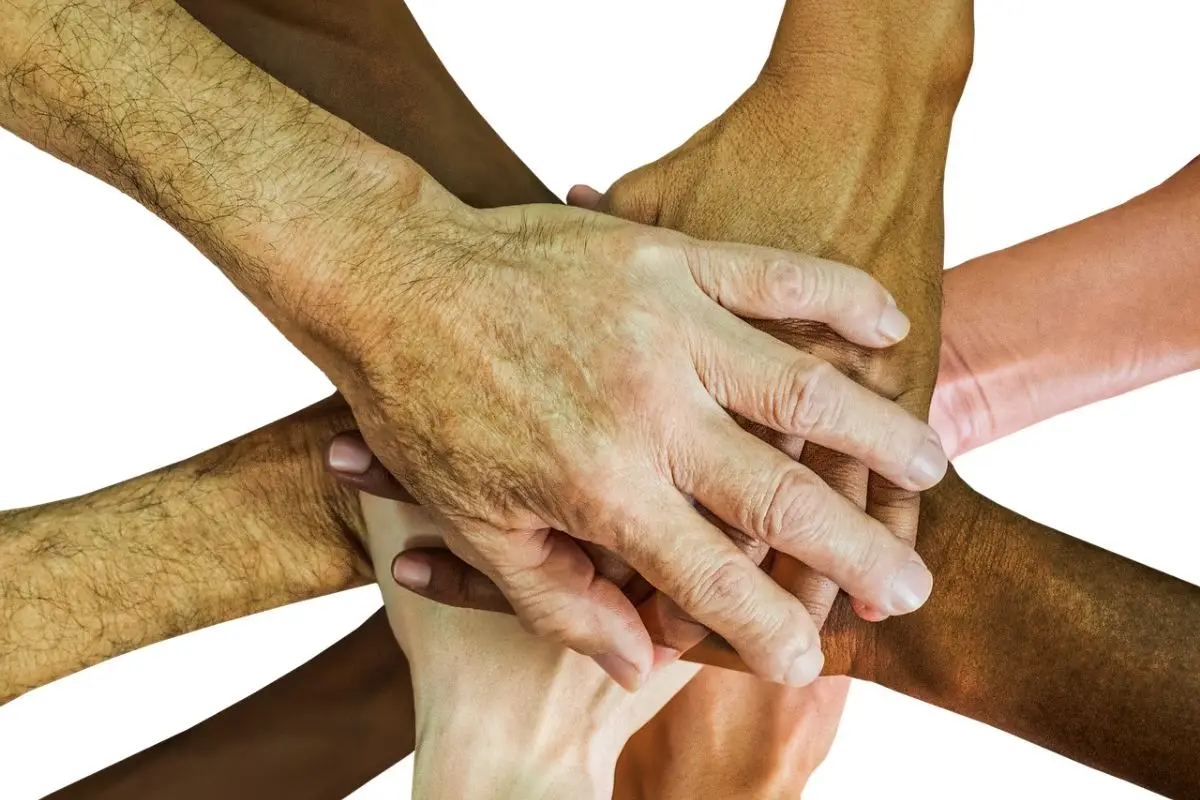
Are you thick-skinned? Are you able to shrug off criticisms or inappropriate microaggressions? Have you given thought to how your observations of others might be received? Well in this cultural takeaway we are not discussing the metaphor of being thick-skinned but we are looking at skin.
Skin is the largest organ in the human body by way of surface area and varies from the palest ivory to a rich espresso brown and every shade in between. Skin tone or shade can impact the way skin ages, pigments, blemishes and scars. So how do we get our skin shade?
- We all have melanin but at different levels; the levels of melanin determine the shade or pigmentation of our skin
- There are cells within the skin called melanocytes and those cells produce melanin
Why skin pigmentation matters
Skin cancer
In the UK, melanoma skin cancer is the 5th most common cancer; each year around 16,000 new cases are diagnosed and there are over 2,000 deaths. Research shows that dark skin is better protected from ultraviolet radiation, resulting in a low incidence of skin cancers. In darker skin, photo-protection is provided by the increased melanin; this actually filters twice as much ultraviolet (UV) radiation compared to Caucasian. Because skin cancers in people with darker skins are less common, they are not so readily diagnosed. This results more frequently in delayed intervention and poorer outcomes in treatment. People with dark skin are far less likely to develop a skin cancer, are less like to be diagnosed early, but actually need more sunshine.
Vitamin D
Vitamin D is important for regulating the absorption of calcium and phosphorous in our bodies. It ensures the normal development of bones and teeth.
A lack of vitamin D, known as vitamin D deficiency, can cause bones to become soft and weak, which can lead to bone deformities.
In adults, it can lead to osteomalacia, which causes bone pain and tenderness
In children, a lack of vitamin D can lead to rickets
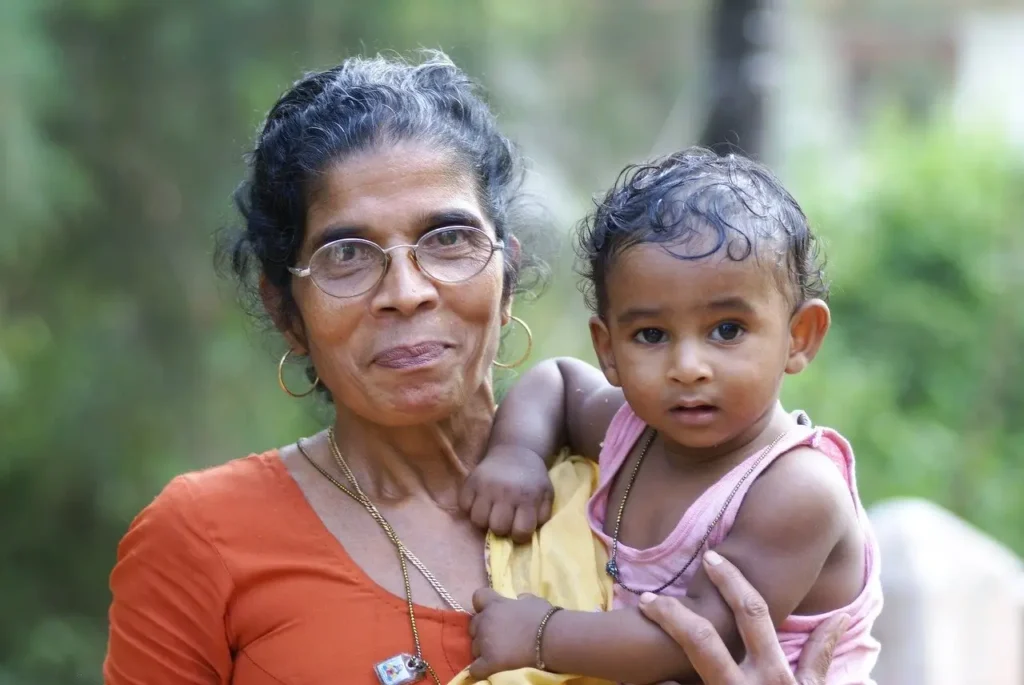
In order to get sufficient Vitamin D, dark-skinned people need six times more sun than Caucasians. The level of melanin in darker skin lowers the skin’s ability to make vitamin D in response to sunlight exposure. There is evidence that older adults with darker skin are at particularly high risk of vitamin D deficiency.
Keloid scars
We can’t think about skin and pigmentation without giving some consideration to keloid scars. Ask just about any Black man and he will tell you how important it is to have a good barber who knows what he’s doing with the clipper even a small nick can be ruinous to your skin.
Usually when a wound heals, there is a scar. A keloid scar is one that has not healed in the usual way; the tissue becomes bigger, thicker, more raised and more lumpy than the original wound or a scar that you might expect following the original injury. People at particular risk of keloid scars are those with Black, Mediterranean or Asian skin. Special consideration should be given, for example, when clinicians are suturing wounds; monitoring for particular groups for poor healing and ensuring that sutures are removed in a timely manner will be important.
There is more to skin, than tone. Keep being culturally curious.